Secret Barcelona: Neighborhoods and Corners Tourists Don't Know
Discover authentic Barcelona: charming neighborhoods, secret corners, local gastronomy and experiences away from the crowds.
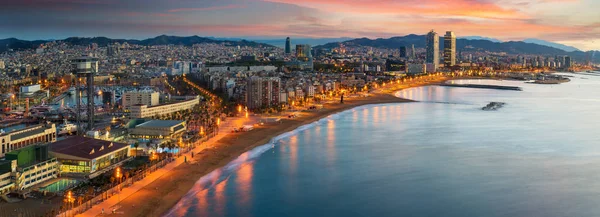
Barcelona is much more than Sagrada Familia and Park Güell. Beyond the crowded tourist attractions exists a secret, authentic and fascinating Barcelona: neighborhoods with soul where Barcelonans live their daily lives, hidden squares between medieval alleys, century-old restaurants where Gaudí never ate but locals do, and viewpoints from which to contemplate the city without sharing the moment with a hundred more tourists. This is the Barcelona worth discovering.
Authentic neighborhoods: Gràcia, Raval and Born
Gràcia: Technically a Barcelona neighborhood, Gràcia was an independent town until 1897, and still retains that village community spirit. Its squares—Plaça del Sol, Plaça de la Vila de Gràcia, Plaça de la Virreina—are the social heart of the neighborhood, full of terraces where neighbors gather at any hour. Narrow streets with independent design shops, second-hand bookstores, cafés with bohemian charm and a vibrant but authentic nightlife, far from drunken tourism. In August, the Festes de Gràcia transform the streets into works of art with spectacular themed decorations.
El Raval: Barcelona's most multicultural neighborhood. Here coexist Pakistani shops, Filipino bars, contemporary art galleries and MACBA (Museum of Contemporary Art of Barcelona), where skaters practice tricks in the square while cultural tourists visit exhibitions. El Raval is raw, authentic, sometimes uncomfortable, but never boring. Walk along Rambla del Raval (very different from the touristy Rambla), visit the Mercat de la Boqueria early in the morning before the masses arrive, and get lost in streets like Carrer dels Àngels.
El Born: If El Raval is raw, El Born is elegant without losing authenticity. Narrow medieval streets with design boutiques, natural wine bars, artisan chocolatiers and the impressive Mercat del Born—now a cultural center with 18th-century archaeological remains under its iron structure. The Basilica of Santa Maria del Mar, the people's cathedral, is a Gothic jewel much less crowded than the Sagrada Familia and architecturally just as impressive.
Secret corners not in the guidebooks
The Cathedral cloister and its 13 geese: While everyone photographs the Gothic facade of Barcelona Cathedral, few enter the interior cloister, where 13 white geese live in a medieval garden. They represent the 13 years of age of Santa Eulalia, patroness of Barcelona, when she was martyred. It's an oasis of peace in the heart of the Gothic Quarter, with fountains, orange trees and 14th-century architecture.
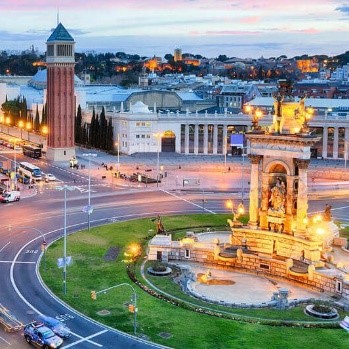
Plaça Reial: Although it appears in tourist guides, few know that the square's lampposts were designed by a young Gaudí in 1878, his first public commission. At night, when the terraces fill with locals (avoid the tourist restaurants on the square, they're traps), the square recovers its bohemian atmosphere.
Pasaje de Bacardí: A covered 19th-century passage near Las Ramblas, with old stamp, coin and book shops. It's like entering a time tunnel: mosaic floors, high ceilings and shop windows that haven't changed in decades.
Authentic gastronomic experiences
Can Culleretes: Founded in 1786, it's Barcelona's oldest restaurant and Spain's second oldest. It's not touristic despite its history: here eat Barcelona families, Raval office workers and students who know the secret of its affordable daily menus. Order the meat cannelloni (invented in Barcelona, not Italy) or the fricandó with mushrooms.
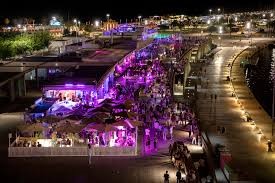
Tapas bars in Born: Forget menus with photos. In El Born, bars like El Xampanyet (since 1929) serve draft vermouth, Cantabrian anchovies and quality preserves in an atmosphere of old tiles and wooden barrels. Arrive early (8:00pm) or you'll have to wait.
Neighborhood markets: The Mercat de Sant Antoni, recently renovated, is where Barcelonans buy vegetables, fresh fish and sausages. On Sundays, the second-hand book and comic market outside is a local ritual. Avoid La Boqueria if you're looking for authenticity: it's completely touristified.
Secret viewpoints and views
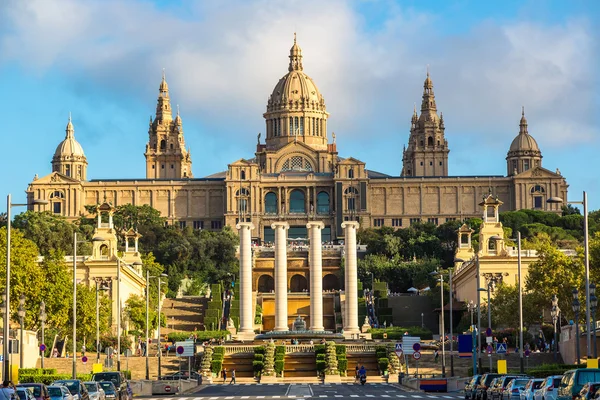
Montjuïc at sunset: Go up by cable car or bus to Castell de Montjuïc. While the Castle closes, the gardens remain open and the views over the port, the city and the Mediterranean are spectacular without crowds. Walk down through the Jardins de Mossèn Costa i Llobera (cactus garden) to the Magic Fountain.
Búnkers del Carmel: Former anti-aircraft bunkers from the Civil War, now locals' favorite viewpoint. 360° views of Barcelona, especially magical at sunset. Bring drinks, snacks and prepare for a relaxed and bohemian atmosphere. Access: metro Alfons X or Guinardó, then 15 minutes uphill.
Tips for discovering authentic Barcelona
Avoid Las Ramblas: It's a tourist trap. Barcelonans almost never go. If you want to stroll, do it along Rambla del Poblenou or Passeig de Gràcia (more elegant).
Dine late: Restaurants that open at 7:00pm are for tourists. Locals dine from 9:00-9:30pm onwards. If you arrive earlier, you'll have the restaurant empty (warning sign).
Learn 5 words in Catalan: Bon dia (good morning), gràcies (thank you), sisplau (please), adeu (goodbye), perdona (excuse me). Locals appreciate it greatly.
Use the metro: It's fast, clean and connects the whole city. Bicing bikes are only for residents, but you can rent tourist bikes at many points.
Poblenou: the neighborhood nobody expects
Where textile factories once stood, you now find art galleries, design studios and specialty coffee shops. Poblenou is the Barcelona that does not appear on postcards. The Rambla del Poblenou —tourist-free, with neighborhood terraces and old men playing pétanque— is what La Rambla was thirty years ago. The Palo Alto market, open one weekend a month in a former factory, brings together local designers, street food and live music. And the street art route through the side streets reveals murals by international artists that rival any museum.
Modernisme beyond the Sagrada Familia
Everyone knows Gaudí, but Barcelona has other Modernist geniuses worth your attention. The Hospital de Sant Pau, by Domènech i Montaner, is a complex of pavilions with mosaics and stained glass that served as a hospital until 2009 and today operates as a museum. The Casa de les Punxes by the same architect looks like a medieval castle in the middle of the Eixample. And the Palau de la Música Catalana, with its inverted stained-glass skylight, is arguably the most beautiful concert hall in the world. All are UNESCO World Heritage sites receiving a fraction of the Sagrada Familia's visitors.
Barcelona beyond Gaudí
Barcelona has spectacular modernist architecture beyond Gaudí: Sant Pau Hospital (Domènech i Montaner), Palau de la Música Catalana, Casa Vicens. But Barcelona's true essence isn't in iconic buildings, but in neighborhood life, in bustling markets, in squares where grandparents play petanque while children run between fountains, in vermouth bars where the waiter knows you by name. That Barcelona exists, you just have to know where to look for it.
If you want to discover authentic Barcelona with detailed itineraries, our Barcelona weekend guide includes Google Maps with all these secret corners, recommended local restaurants and routes to explore neighborhoods away from tourist crowds.
Comments
Get the best travel tips
Subscribe to the Omyguide blog and never miss an article.
No spam. Unsubscribe anytime.