Tapas in Madrid: the city where eating standing up is an art form
From Cava Baja to calamari sandwiches, from Sunday vermouth to cocido stew: how to eat tapas in Madrid like a local.
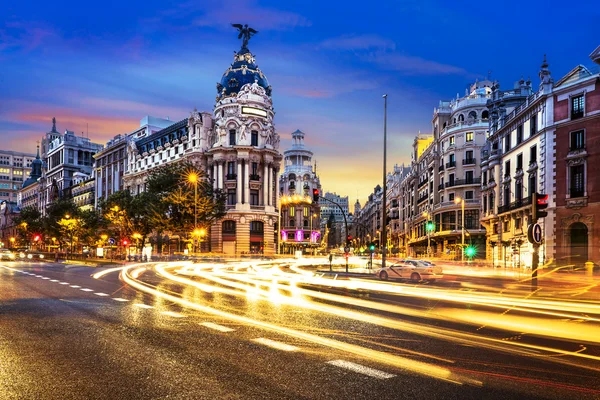
Madrid has no beach, no navigable river, and none of Barcelona’s impossible architecture. What Madrid does have is a relationship with food that borders on the sacred. Here people do not simply eat: they graze, they share, they argue about who makes the best croquetas, and they change bars three times in a single evening without anyone finding it unusual. A tapa in Madrid is not an appetizer — it is a philosophy of life, a way of socializing that turns every bar counter into an informal parliament where everybody has an opinion and nobody stays quiet.
The origin of the tapa is a mystery wrapped in legend. The most popular story attributes the tradition to King Alfonso X, known as “the Wise,” in the thirteenth century, who supposedly ordered taverns to serve a small bite with every glass of wine to reduce the effects of alcohol. There is no historical proof to confirm it, but Madrileños could not care less: what matters is that the custom survived and became the beating heart of their food culture.
La Latina and Cava Baja: the epicenter
If Madrid has a cathedral of tapas, it stands in the La Latina neighborhood. And if La Latina has a central nave, it is Cava Baja. This narrow, steep street packs more bars and taverns per square meter than any other road in the capital. On Sundays after the Rastro flea market, Cava Baja becomes a gastronomic procession where families, groups of friends, and couples hop from bar to bar trying tortillas, croquetas, padrón peppers, and whatever the waiter recommends that day. The key is to stay on your feet. The authentic Madrileño eats tapas standing, leaning on the counter, a small beer in one hand and a crumpled napkin in the other. Sitting on the terrace is perfectly fine, but you will lose that direct connection with the cook, the noise, and the very essence of what tapas means.
Classic dishes you cannot skip
Three dishes define Madrid, and you will not find them done better anywhere else on earth. The first is the bocadillo de calamares: a crusty bread roll stuffed with fried squid rings, with no adornment beyond a squeeze of lemon at most. It sounds simple because it is, and that simplicity is its greatness. The best ones are found in the bars surrounding Plaza Mayor, where they have been frying them for generations. The second is cocido madrileño, a hearty stew of chickpeas, assorted meats, vegetables, and sausage served in three rounds called vuelcos: first the broth with noodles, then the chickpeas with vegetables, and finally the meats. It is a winter dish, comforting and devastating, that demands a non-negotiable nap afterward. The third is callos a la madrileña, a tripe stew with chorizo and blood sausage that divides diners into devotees and skeptics, with no middle ground.
Historic bars and centuries-old taverns
Madrid has bars that have been open longer than many countries have existed. Sobrino de Botín, founded in 1725, holds the Guinness record as the oldest continuously operating restaurant in the world. Its original wood-fired oven is still burning, roasting suckling pig and lamb just as it did three centuries ago. It is not a museum: it is a living restaurant where Madrileños celebrate weddings, baptisms, and Christmas dinners. Casa del Abuelo, founded in 1906, is another essential stop. Its specialty is gambas al ajillo, prawns served sizzling in a clay dish with oil loaded with garlic that screams for a piece of bread to mop it up. Getting there is easy; the hard part is finding a space at the bar, because by two in the afternoon the place is always packed to bursting.
Markets and twenty-first-century tapas
Mercado de San Miguel, beside Plaza Mayor, is the most visible example of how Madrid has modernized its food tradition without abandoning its roots. The original iron building dates from 1916, designed by architect Alfonso Dubé y Díez, and was renovated and reopened in 2009 as a gourmet market. Today its stalls offer everything from Galician oysters to craft gin and tonics, Manchego cheese, and ibérico ham carved to order. It is more touristy than other neighborhood markets, but the quality is real and the atmosphere is worth the visit.
And then there is vermouth. The vermouth hour is a Madrileño institution practiced especially on Sunday mornings, above all in neighborhoods like La Latina and Malasaña. It consists of drinking a draft vermouth — red, over ice, with a slice of orange and an olive — alongside some olives, cockles, or banderillas. It is not just a drink: it is a transitional ritual between morning and lunch, a way of slowing time and savoring conversation before sitting down to the table.
Vermut culture
Vermut is not just a drink in Madrid: it is a ritual. On Sunday mornings, Madrileños go out to «hacer el vermut», a concept that involves a draft vermut with a small plate of olives or tinned seafood at a standing bar. La Ardosa in Malasaña has been serving one of the city's finest draft vermuts since 1892. Casa Camacho, in the same area, has a house vermut with a splash of gin that has become urban legend. The ritual is unhurried: you start around noon, chain two or three bars, and end up in a long lunch that lasts until five.
Beyond La Latina: Malasaña and Lavapiés
Cava Baja is the classic epicenter, but Madrid has other neighborhoods where the tapa has evolved. In Malasaña, bars like StreetXO fuse Asian cuisine with tapa formats. In Lavapiés, Madrid's most multicultural quarter, traditional taverns coexist with Indian, Moroccan and Senegalese restaurants offering their own tapa versions: samosas, pastela, fataya. Casa González, a century-old shop-bar in the Barrio de las Letras, pairs Iberian cheeses and cured meats with wines by the glass in a setting that has not changed in decades.
How to eat tapas like a Madrileño
The first rule is never to stay in one bar. Madrid-style tapas eating is a roaming affair: you order a small beer and a tapa, eat standing up, pay, and move to the next place. Three or four bars in one evening is standard; five or six surprises nobody. The second rule is knowing the schedule: Madrileños dine late, but they eat tapas earlier. The tapas hour starts around half past eight on weeknights and from one in the afternoon on weekends. The third rule, perhaps the most important, is understanding that in many traditional bars, ordering at the counter is cheaper than sitting at a table. This is not stinginess: it is tradition. The bar counter is the natural stage for a tapa, the place where the beer is coldest, the conversation closest, and the food arrives fastest.
Patatas bravas deserve a separate mention. Every bar has its own brava sauce — spicy, smoky, mild, with tomato, without tomato — and Madrileños sustain endless debates about which version is the city’s best. The same goes for the tortilla de patatas: with onion or without onion is a near-existential question capable of ruining friendships and fueling after-dinner arguments for hours. And oreja a la plancha — grilled pig ear, crispy on the outside and gelatinous within — is the ultimate test of whether a visitor is ready to eat like a true local.
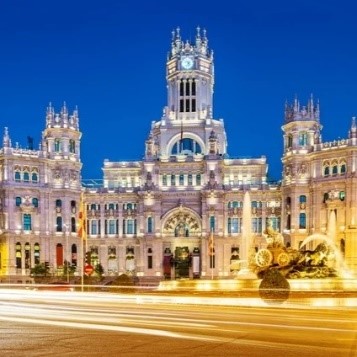
If you want to discover the best bars, markets, and tapas routes neighborhood by neighborhood, our Madrid weekend guide includes day-by-day itineraries with Google Maps, recommended restaurants, opening hours, and practical tips to make the most of every minute in the Spanish capital.
Comments
Get the best travel tips
Subscribe to the Omyguide blog and never miss an article.
No spam. Unsubscribe anytime.