Things to do in Rome in 5 days: far more than ruins
Complete day-by-day itinerary for 5 days in Rome: Colosseum, Vatican, Trastevere, Pantheon, Villa Borghese, Roma Pass and practical travel tips.
Rome has a problem: it is impossible to cover. Every corner hides a fragment of history, every square seems designed for you to sit and contemplate it with an espresso in hand, and every alley opens onto something unexpected. Five days sound like a lot, but in a city with nearly three millennia of history they barely scratch the surface. The good news is that surface is already extraordinary. This itinerary is designed to help you make the most of each day without burning out, alternating major monuments with aimless strolls, museums with trattorias, and imperial Rome with the Rome that lives today.
Day 1: the heart of ancient Rome
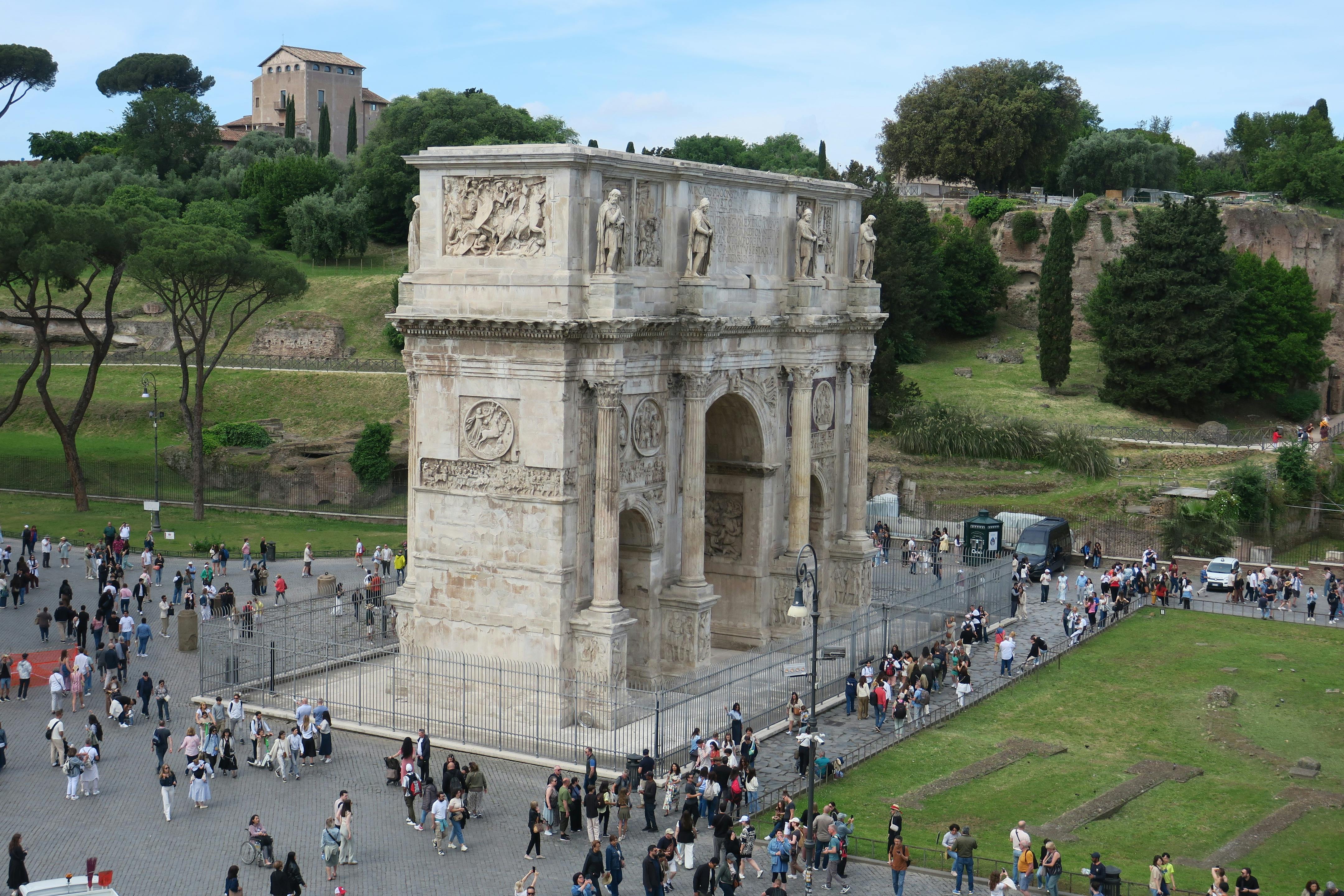
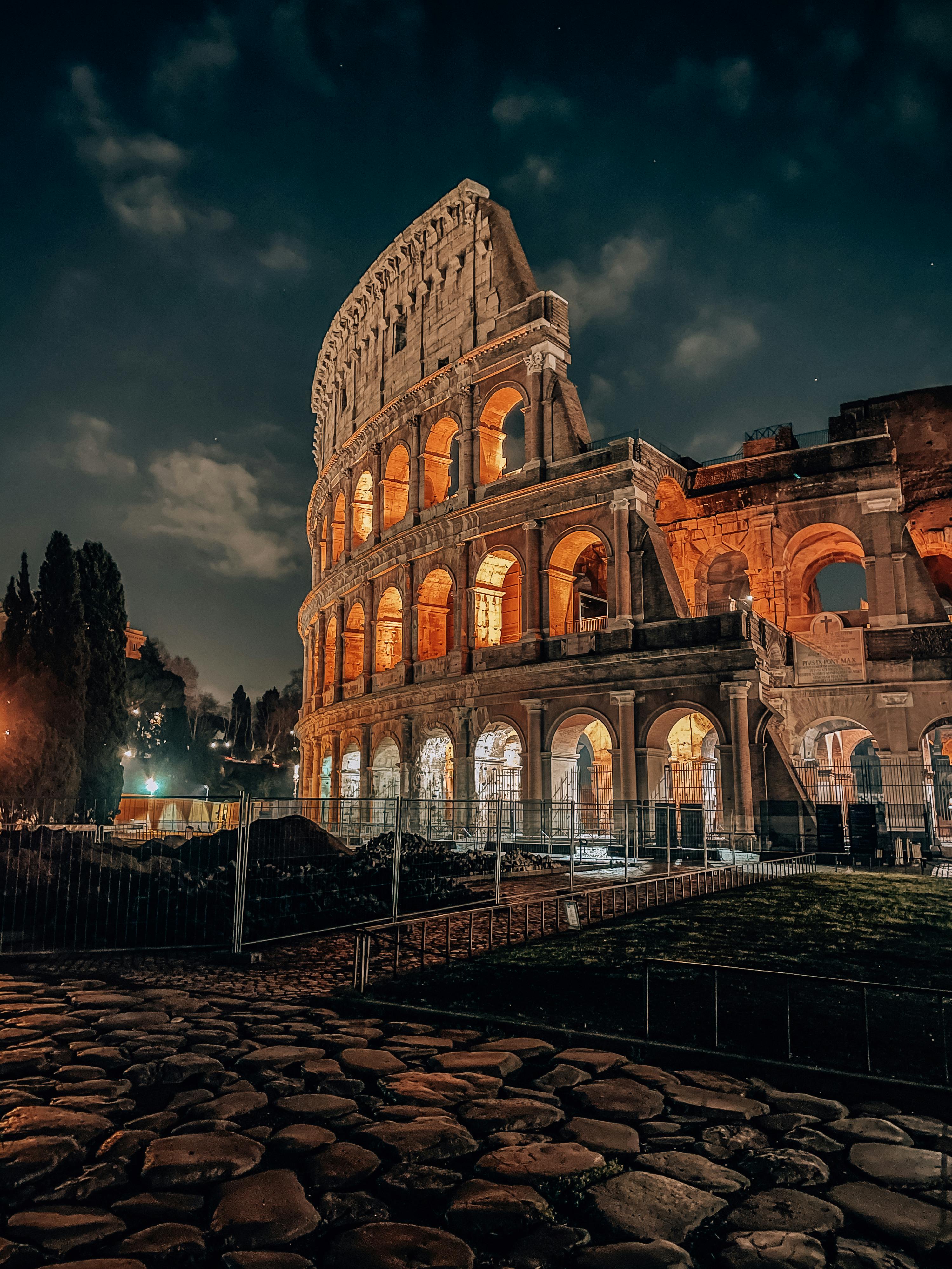
Devote the first day to the epicenter of classical Rome. Start early at the Colosseum: doors open at 8:30 and the first hours are the calmest. The Flavian Amphitheatre, inaugurated in 80 AD under Emperor Titus, could hold between 50,000 and 80,000 spectators. It is not just a pretty ruin: beneath the arena lay a system of tunnels, trapdoors and lifts that allowed animals and gladiators to appear as if by magic. The combined ticket (Colosseum + Roman Forum + Palatine) costs around 18 euros and is valid for 24 hours, so you can spread the visit.
After the Colosseum, walk past the Arch of Constantine, the best-preserved triumphal arch in Rome, erected in 315 AD to celebrate Constantine's victory over Maxentius. From there, descend into the Roman Forum, which for centuries served as the political, religious and commercial hub of the known world. Walking along the Via Sacra requires imagination: those broken columns held up temples where senators made decisions affecting millions from Britannia to Egypt. Do not miss the Temple of Saturn, the Curia Julia and the Basilica of Maxentius.
Climb the Palatine Hill to round off the morning. This hill, one of Rome's seven, was the emperors' residence for centuries. From its gardens, the view over the Forum and the Circus Maximus is one of the finest in the city. If the day is long, end at Piazza Venezia admiring the Monument to Victor Emmanuel II, that mass of white marble Romans affectionately call the typewriter.
Day 2: the Vatican, top to bottom
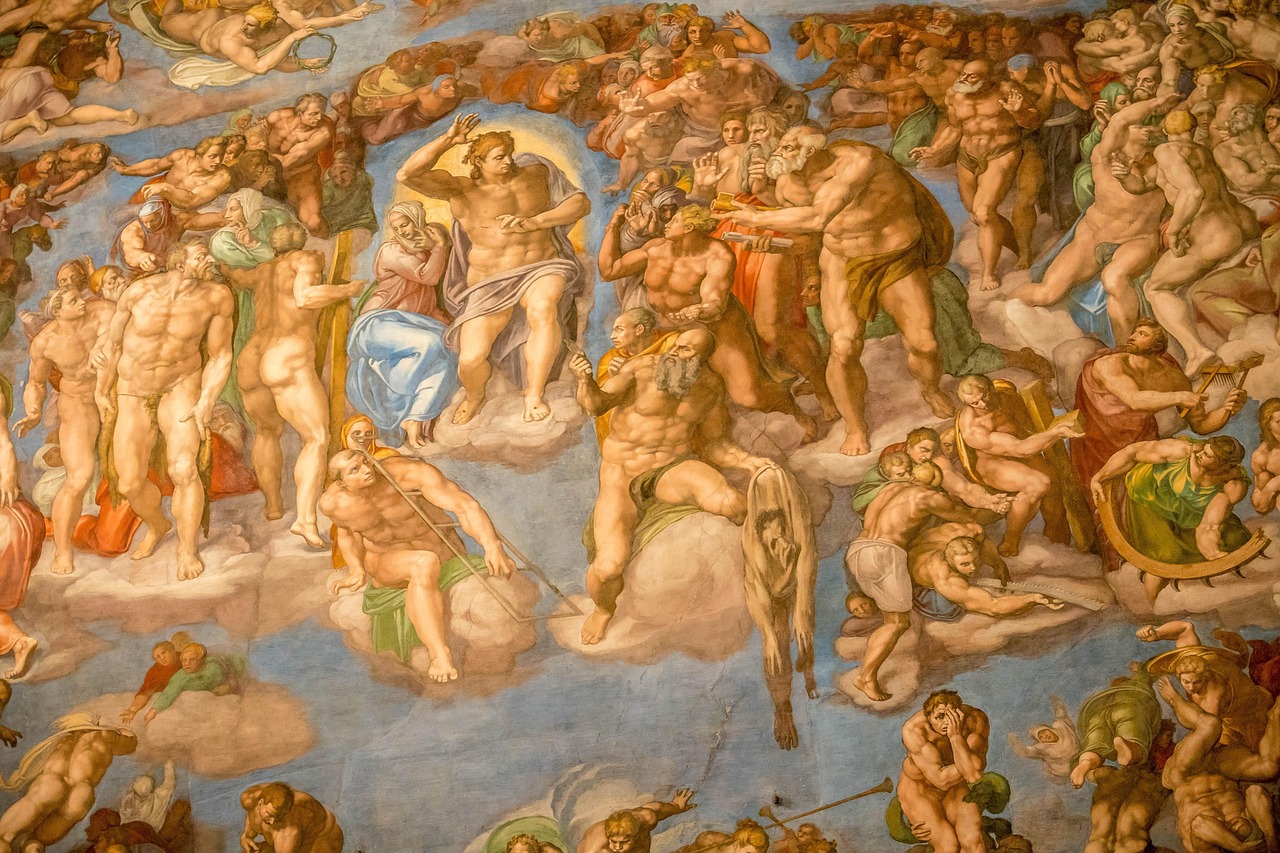
Dedicate the entire second day to the Vatican. The Vatican Museums house one of the most important art collections on the planet, amassed over centuries by the popes. General admission is 20 euros (plus 5 for an online reservation, highly recommended to avoid queues of up to two hours). Opening hours are Monday to Saturday, 8:00 to 20:00, last entry at 18:00.
The classic route passes through the Egyptian and Greek antiquities halls, the Gallery of Maps (a 120-meter corridor lined with sixteenth-century topographic maps of Italy painted with astonishing precision), the Raphael Rooms and, as a climax, the Sistine Chapel. When you look up at the ceiling Michelangelo painted between 1508 and 1512, you understand why millions queue every year. The Creation of Adam, the Last Judgment on the altar wall, the light streaming through the side windows: it is an experience no reproduction can convey. A tip: on the last Sunday of each month admission to the Vatican Museums is free (9:00 to 14:00), but crowds are intense.
After the museums, St. Peter's Basilica awaits with free admission. It is the largest Christian church in the world: 218 meters long, capacity for 20,000 worshippers. Seek out Michelangelo's Pieta, sculpted when he was just 24, still one of the most moving works in Western art. If you have the energy, climb the dome: 551 steps that progressively narrow, but the panorama from 136 meters up repays every drop of sweat. The climb costs 8 euros on foot or 10 with an elevator to the first terrace.
Day 3: from the Pantheon to the Trevi Fountain
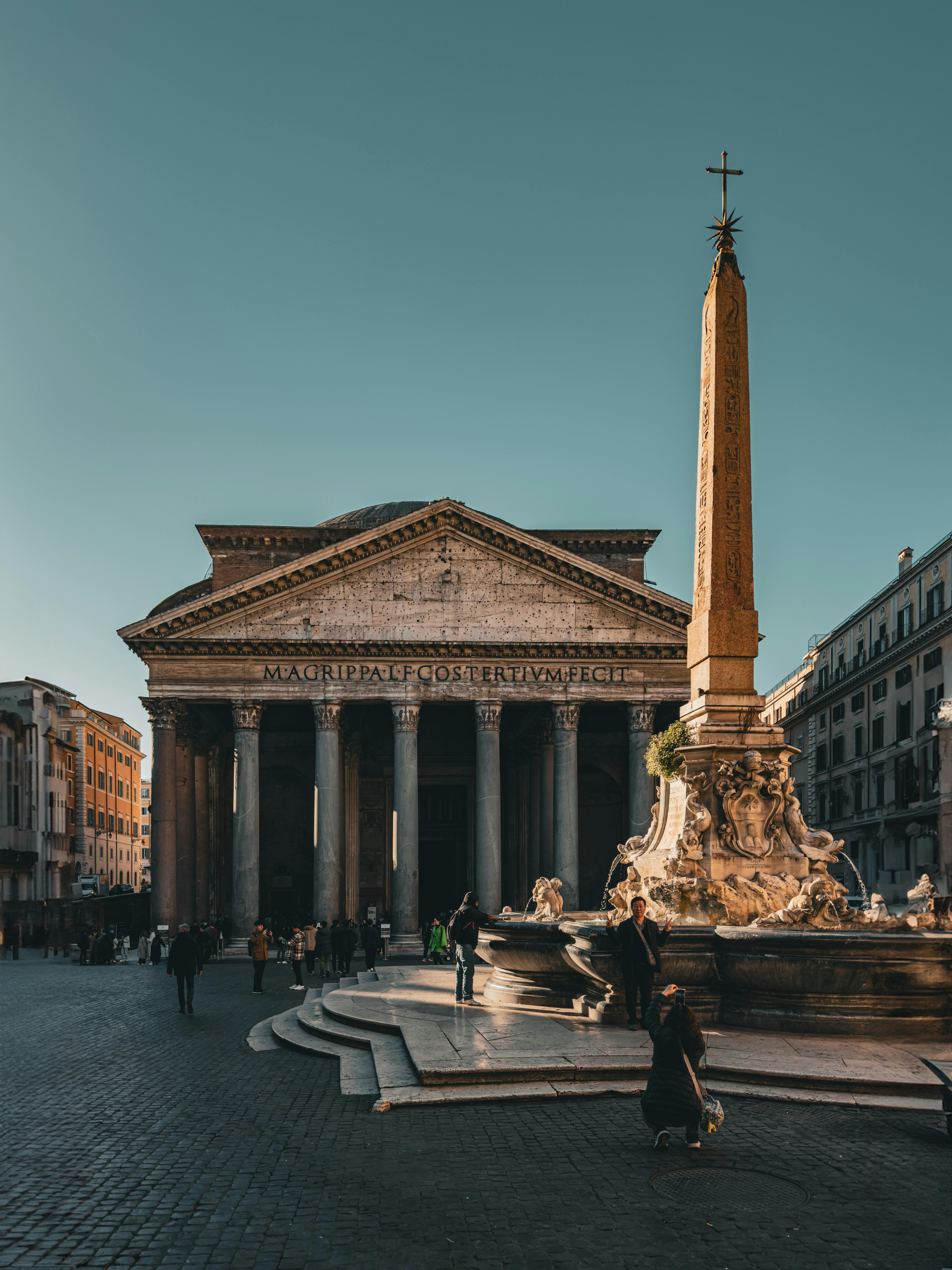
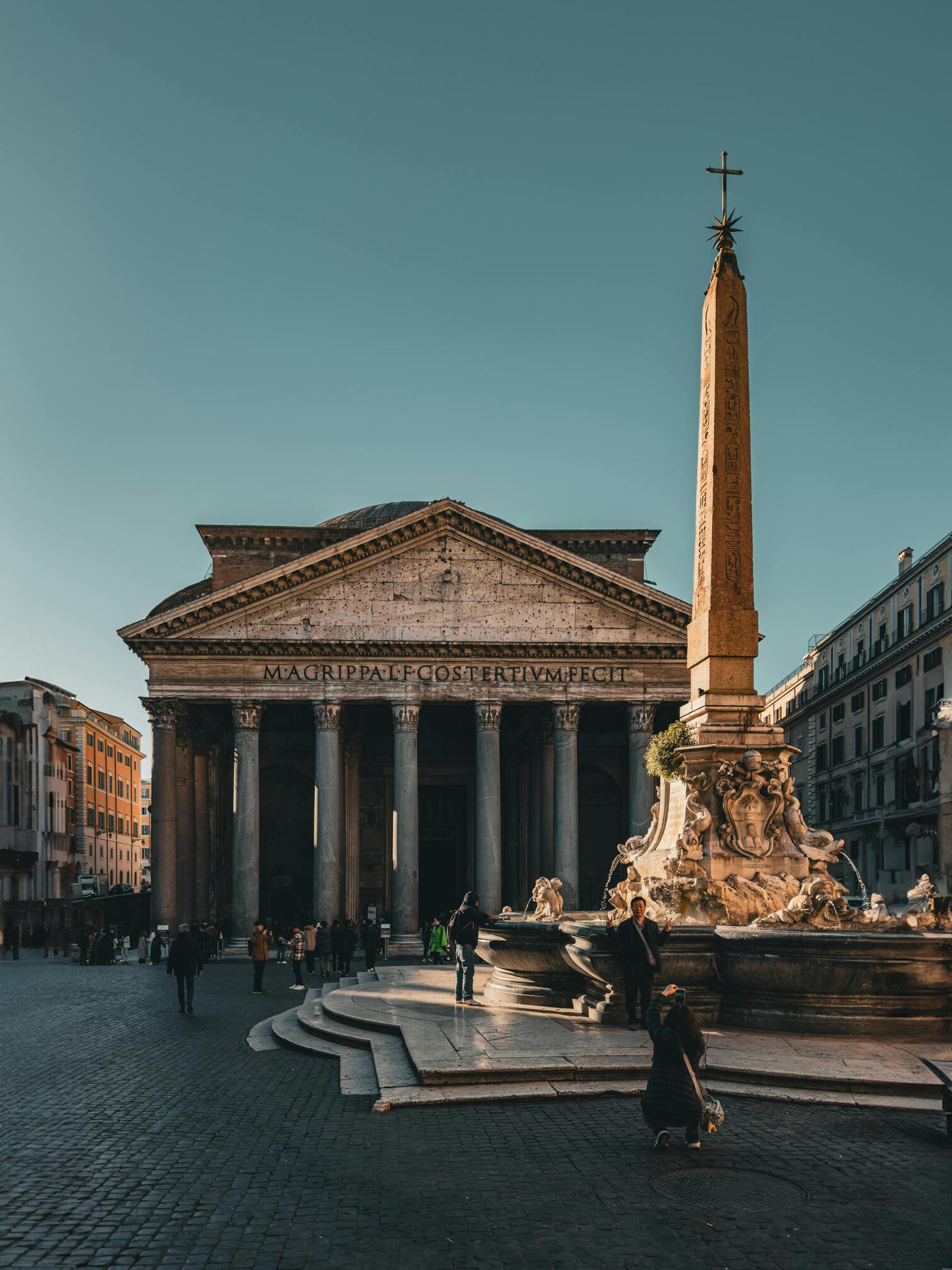
The third day is for losing yourself in the historic center. Begin at the Pantheon, probably the best-preserved building from ancient Rome. Built by Agrippa in 27 BC and rebuilt by Emperor Hadrian around 125 AD, its dome of 43.3 meters in diameter was the largest in the world for over a thousand years, until Brunelleschi completed the one in Florence in 1436. The central oculus, a circular opening of 8.7 meters, is the sole source of natural light. Since July 2023, entry costs 5 euros (free for under-18s and on the first Sunday of each month).
A few minutes' walk brings you to Piazza Navona, built over the remains of the first-century AD Stadium of Domitian. The square retains the elongated shape of the ancient stadium and houses three fountains, of which Bernini's Fountain of the Four Rivers (1651) is the centerpiece: four colossal figures represent the Nile, the Ganges, the Danube and the Rio de la Plata, the most important rivers of the four continents known at the time.
From Navona, stroll to the Trevi Fountain. This Baroque fountain, 26 meters high and 49 wide, designed by Nicola Salvi and completed in 1762 under Giuseppe Pannini, is Rome's largest. It depicts the god Neptune on a chariot drawn by sea horses. Tradition holds that tossing a coin with your right hand over your left shoulder guarantees a return to Rome. Around 1.5 million euros in coins are collected each year, donated to charity. Visit early in the morning or late at night: during the day the crowds are overwhelming.
Use the afternoon to explore the streets linking these three landmarks. Rome's historic center is a UNESCO World Heritage Site, and every few blocks you find a church with Renaissance frescoes, a piazza with a Baroque fountain or an enoteca where you can try a chilled Frascati.
Day 4: the Spanish Steps, Villa Borghese and Trastevere
Begin the morning at Piazza di Spagna. The Trinita dei Monti staircase, better known as the Spanish Steps, has 135 steps and was built between 1723 and 1725 by architect Francesco de Sanctis. It connects the square with the Trinita dei Monti church at the top, and its name comes from the Spanish Embassy to the Holy See located in the square. It is a perfect spot to sit and watch the city go by, although in summer authorities have banned sitting on the steps to protect them.
From the top of the staircase, walk to Villa Borghese, Rome's third-largest public park. Its English-style gardens offer a welcome respite after three days of asphalt and marble. Inside the park, the Borghese Gallery holds masterpieces by Bernini (The Rape of Proserpina, Apollo and Daphne), Caravaggio and Titian. Visits are organized in two-hour slots for a maximum of 360 people, so advance booking is mandatory. Even without a ticket, the gardens alone, with their fountains, temples and views from the Pincio over Piazza del Popolo, are worth the visit.
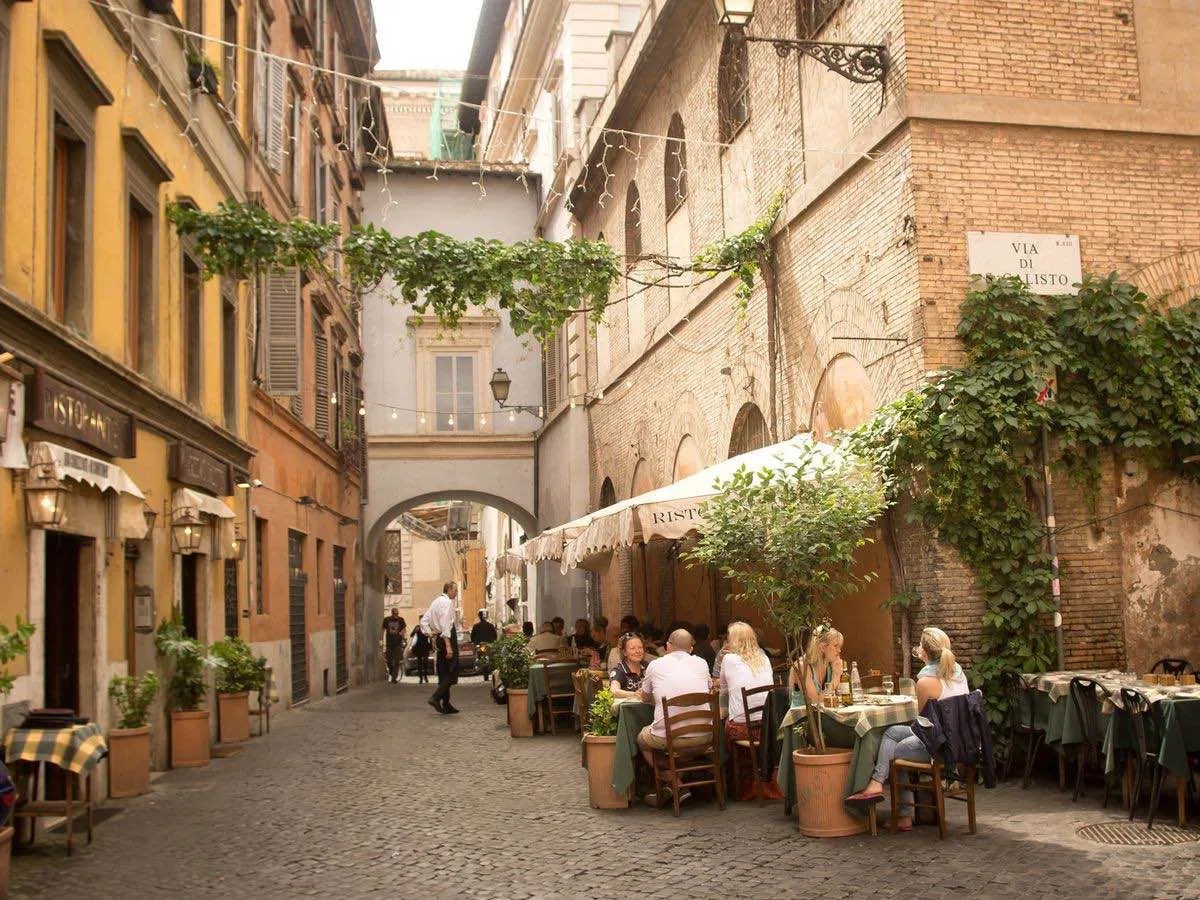
Save the afternoon and evening for Trastevere, Rome's most cinematic neighborhood. Across the Tiber, its cobblestone streets, ivy-covered facades and tiny squares retain a village atmosphere the historic center has lost. This is where Roman cuisine shines: try cacio e pepe (pasta with pecorino cheese and black pepper), amatriciana (tomato, guanciale and pecorino), authentic carbonara (no cream, just egg, guanciale and pecorino) or suppli (fried rice croquettes with mozzarella). The twelfth-century Basilica of Santa Maria in Trastevere has golden apse mosaics that rival those of any church in Rome.
Day 5: neighborhoods with character and farewell
The last day is for whatever you missed and for the neighborhoods most tourists overlook. Testaccio is where real Roman cooking was born: offal dishes now considered a gastronomic trend started here as food for slaughterhouse workers. Its covered market is perfect for an informal lunch. Monti, beside the Colosseum, has vintage shops, natural-wine bars and a feel more village than capital. And the Jewish Ghetto, one of Europe's oldest (established in 1555), holds in its narrow streets a fascinating history and some of the city's best restaurants: do not leave without trying carciofi alla giudia, whole fried artichokes that have been a local specialty for centuries.
If time allows, head to the Janiculum, the hill offering Rome's widest panorama. It is not one of the classic seven hills, but its views are arguably the city's finest, especially at sunset when domes are silhouetted against a sky shifting from orange to pink in minutes.
Practical tips that will save you time and money
The Roma Pass is a tourist card worth considering. The 48-hour version costs 36.50 euros and includes one free museum or archaeological-site entry plus unlimited public transport. The 72-hour version costs 58.50 euros and includes two entries. It covers metro, bus, tram and urban trains (not the airport transfer). It does not include the Vatican Museums or St. Peter's Basilica.
As for the best time to visit Rome, spring (April-May) and autumn (September-October) offer pleasant temperatures and smaller crowds than summer. July and August frequently exceed 35 degrees, and many Romans flee the city. Winter is mild compared to northern Europe, with lows rarely below 3-4 degrees, and has the advantage of much shorter queues at monuments.
Buy Colosseum and Vatican Museums tickets in advance: Colosseum reservations open 30 days ahead. For the Pantheon, online booking is also advisable, especially in peak season. The Borghese Gallery always requires a mandatory reservation.
Ancient Rome, Renaissance Rome, Baroque Rome, contemporary Rome: five days let you glimpse them all. Do not try to see everything. What makes this city special is not the list of monuments but the spaces between them: the trattoria where the waiter recommends something not on the menu, the alley that opens onto a square with a seventeenth-century fountain, the sunset light turning the ochre facades of Trastevere to gold. That is what you will take home from Rome, and that is what will make you want to return.
Our 5-day Rome guide (6.99 euros) includes full day-by-day itineraries with Google Maps, recommended restaurants in every area, links to buy skip-the-line tickets and all the practical information to explore the Eternal City without missing a thing.
Comments
Get the best travel tips
Subscribe to the Omyguide blog and never miss an article.
No spam. Unsubscribe anytime.