Trastevere: Rome's most authentic neighborhood
Discover Trastevere, where Rome still breathes as it did centuries ago, with medieval alleyways and the best Roman cuisine.
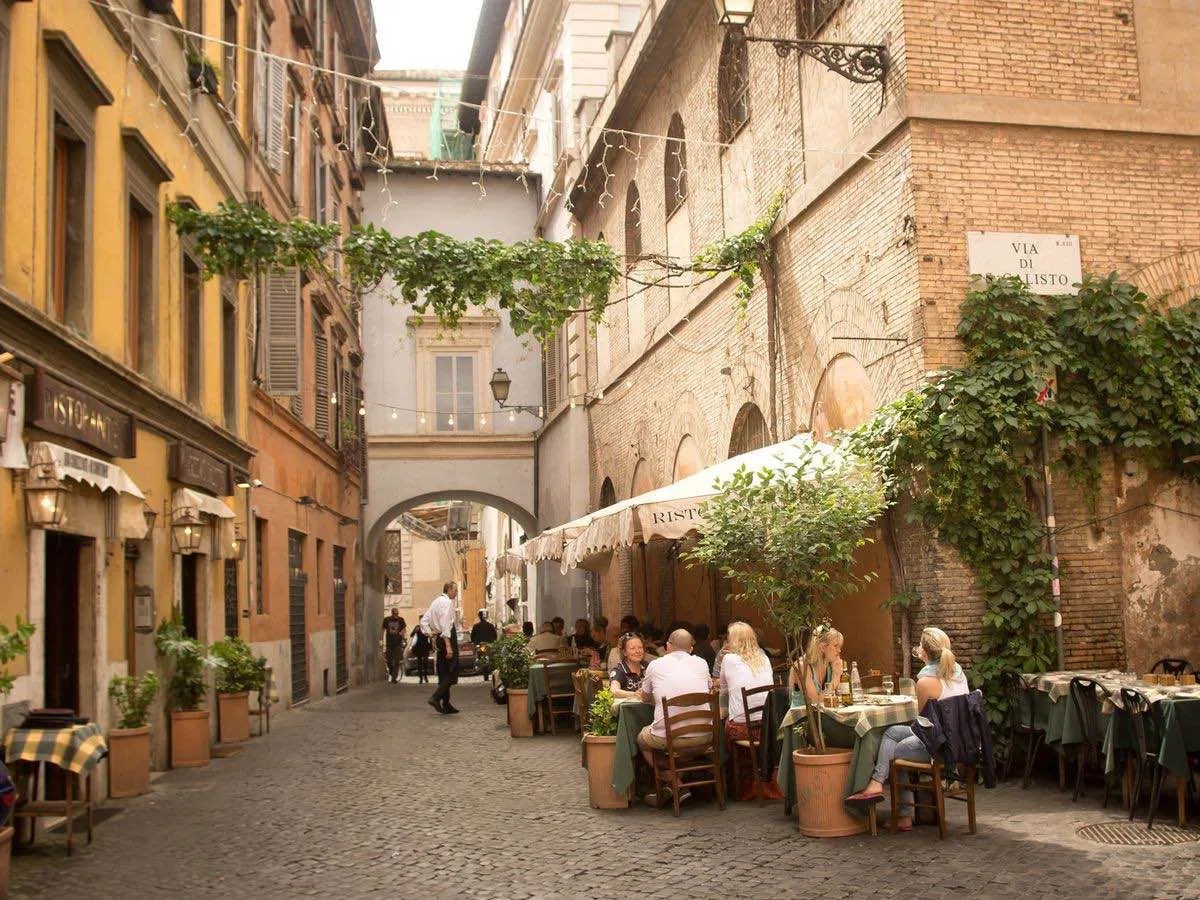
There is a precise moment when you understand Trastevere. It is not when you cross the Ponte Sisto from central Rome, nor when you see the first ochre facade draped in ivy. It is when you get lost. When the GPS stops making sense among streets that narrow without warning, and suddenly a small square appears with a fountain where a group of neighbors chat as if the twenty-first century had not arrived yet.
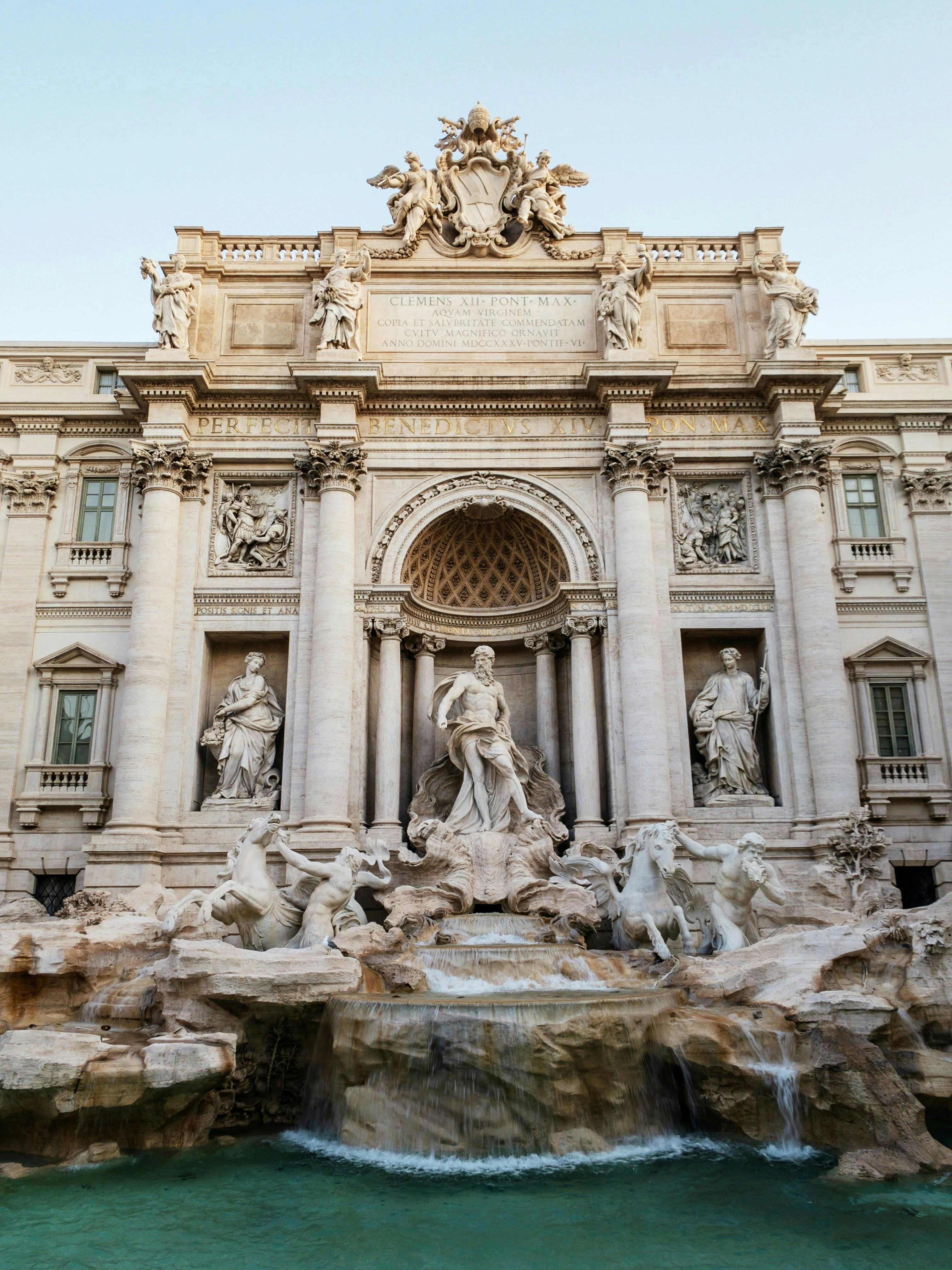
Trastevere —literally “across the Tiber”— was for centuries the quarter for those who did not fit into official Rome. Sailors, foreign merchants, artisans, and Europe's oldest Jewish community lived here long before it became the favorite corner of travelers with a keen nose. That blend shows: every street has its own personality, every corner hides something unexpected.
Santa Maria in Trastevere: where it all began
The Piazza di Santa Maria in Trastevere is the heart of the neighborhood, and its basilica holds a little-known fact: it was probably the first Christian place of worship open to the public in Rome, built in the third century on the spot where, according to tradition, a spring of oil gushed on the day of Christ's birth. The twelfth-century apse mosaics are breathtakingly beautiful. Golden, luminous, with a delicacy that contrasts with the bustling life taking place just meters away in the square.
At sunset the illuminated facade creates an atmosphere that is hard to describe. The restaurant tables surrounding the square fill up, street musicians appear, and everything takes on that cinematic quality that has made Trastevere the setting for dozens of films.
Wandering without a map: the real plan
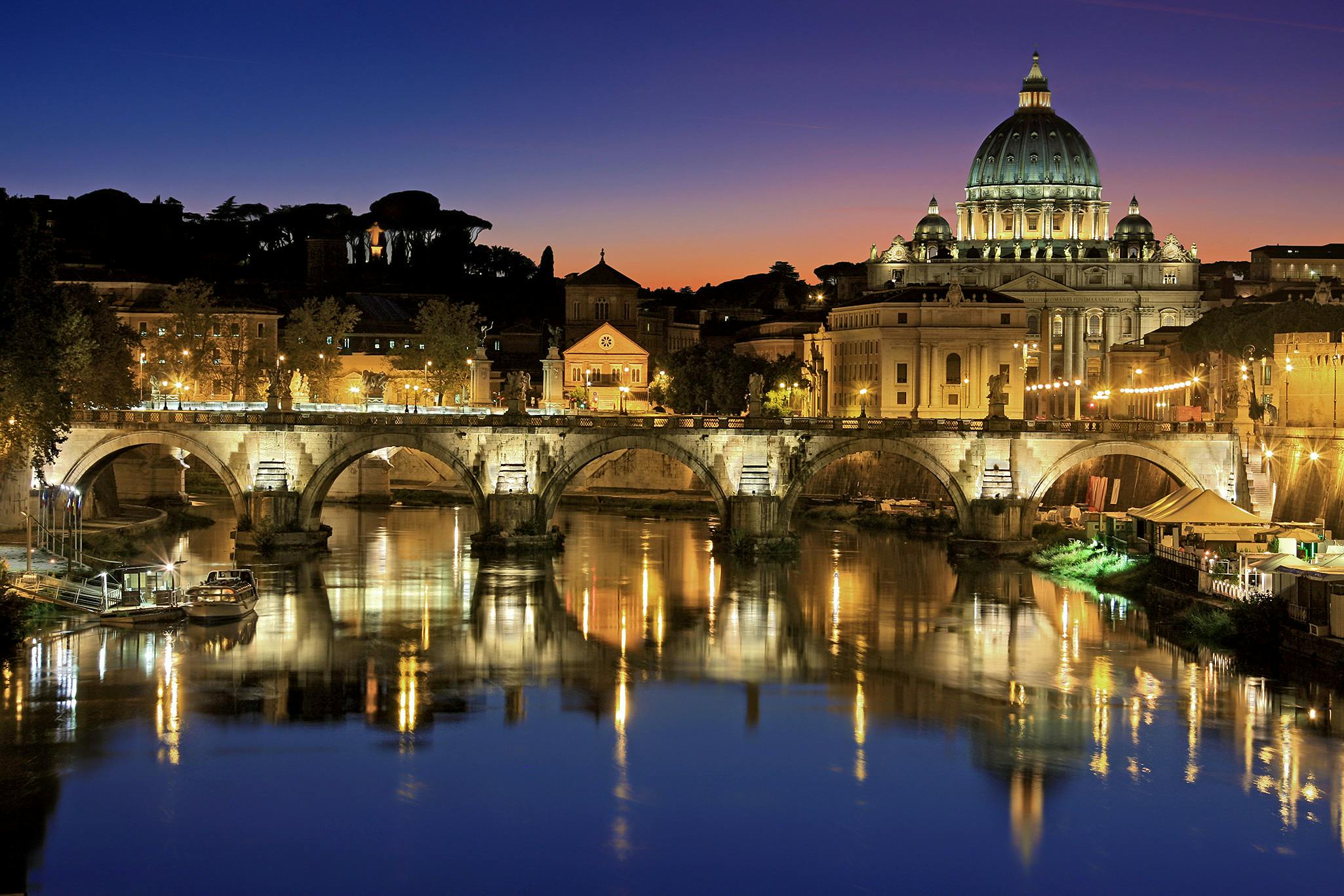
If there is a neighborhood in Rome where getting lost beats following an itinerary, this is it. Via della Lungaretta takes you from the river to the piazza, but the best is in the side alleys: Via della Scala with its artisan workshops, Via di San Francesco a Ripa with its historic bakeries, and nameless streets that suddenly open onto a hidden garden or a courtyard with laundry strung between buildings.
Trastevere has layers. The first is touristy —unavoidable in such a famous quarter— but you only need to walk two blocks from the main piazza to find the second: the one where the neighborhood still works as a neighborhood. The woman buying vegetables at the same stall her mother used, the bar where coffee costs one euro and nobody speaks English, the hardware store that has been open since the fifties.
Eating in Trastevere: beyond carbonara
Roman cuisine has four sacred dishes —carbonara, cacio e pepe, amatriciana, and gricia— and in Trastevere you can try them all in their most authentic version. But there is much more. Carciofi alla giudia (artichokes fried in the Jewish style) are a direct legacy from the neighboring Ghetto that crossed the river and stayed. Supplì, those rice croquettes with melted mozzarella in the center, are the perfect appetizer before any dinner.
A tip worth its weight in gold: avoid any restaurant where someone approaches you at the door with a laminated menu. The good places in Trastevere are recognized because they have a queue, because the menu is only in Italian, or because they are so small they feel like someone's dining room. Restaurants like Da Enzo al 29, with barely ten tables and an endless waiting list, prove that in Rome the best food is served in the humblest spaces.
The Gianicolo: the best-kept secret
Climbing from Trastevere along Via Garibaldi you reach the Gianicolo (Janiculum), the hill offering Rome's best panorama. It is not one of the classic seven hills —it falls outside the Servian walls— but it has the finest views. At noon a cannon fires a salute from the Terrazza del Gianicolo, a tradition dating back to 1847 that still startles unsuspecting visitors. From up there Rome unfolds like a relief map: domes, terracotta rooftops, terraces draped in bougainvillea. You understand why they call it the Eternal City.
The walk back down to the neighborhood, through gardens and walls covered in jasmine, is one of those moments that do not appear in quick guides but stay etched in memory forever.
Isola Tiberina and the Jewish Ghetto
From Trastevere, crossing the Ponte Cestio, you reach Isola Tiberina, Europe's smallest inhabited river island. Shaped like a ship —the Romans even carved a prow into the stone at its southern tip— this islet has been a place of healing since antiquity: the Temple of Aesculapius once stood here, and today the Fatebenefratelli hospital has occupied the same site since the sixteenth century. In summer the riverbank becomes an open-air cinema and concert venue beloved by locals.
Across the bridge, the ancient Jewish Ghetto is one of Rome's most historically layered neighborhoods. The Jewish-Roman cuisine born here —carciofi alla giudia, torta di ricotta— has deeply influenced what is eaten in Trastevere today. The walk from one neighborhood to the other, crossing the island, is one of the city's most beautiful and least crowded routes.
Aperitivo and nightlife
Piazza Trilussa, at the foot of the Ponte Sisto, is the unofficial headquarters of the Trastevere aperitivo. From seven in the evening the steps fill with people holding spritzes as the sun drops behind the Gianicolo. But the real secret lies in the indoor bars: Bar San Calisto, where the hot chocolate is legendary and prices have not changed in decades, or the wine bars on Via della Scala where a glass of Montepulciano costs the same as a coffee in the tourist center.
Unlike Testaccio or San Lorenzo, Trastevere is not a neighborhood of nightclubs but of conversation. Evenings here are spent drifting from table to table, from one glass of wine to the next, accompanied by a street guitarist playing De André. It is the kind of night you never plan but remember for years.
When to go and when not to
Trastevere has two faces. By day it is quiet, almost village-like, ideal for an unhurried stroll and a long lunch. By night it transforms: bars fill up, music spills from every corner, and the energy is infectious. Friday and Saturday nights can be overwhelming if you are seeking calm; Tuesday or Wednesday evenings are perfect.
As for the time of year: September and October are ideal. Rome's autumn light has a golden quality that makes everything look as if painted by Caravaggio. Summer works if you do not mind the heat —open-air evenings in Trastevere make up for any stuffiness— but August is the month when many local places close for vacation.
If Trastevere has sparked your curiosity, our 5-day Rome guide includes day-by-day itineraries with Google Maps, recommended restaurants neighborhood by neighborhood —including the best in Trastevere—, integrated weather forecasts, and all the practical information you need to explore the city without missing a thing.
Comments
Get the best travel tips
Subscribe to the Omyguide blog and never miss an article.
No spam. Unsubscribe anytime.